How long do ducks live How long do pet ducks live How long do ducks live white YouTube
Everything You Ever Wanted to Know About Ducks
/duckling-close-up-500315849-572917c93df78ced1f0b99ec.jpg)
The average lifespan of a duck usually spans between 5 to 10 years, providing a fascinating glimpse into the existence of these endearing birds. This guide dives into the intricacies of a duck's lifespan, examining the elements that affect their longevity and how we can help them lead a content and lengthy life. - WhatAboutPets - Everything.
Duck Breeds Facts, Types, and Pictures
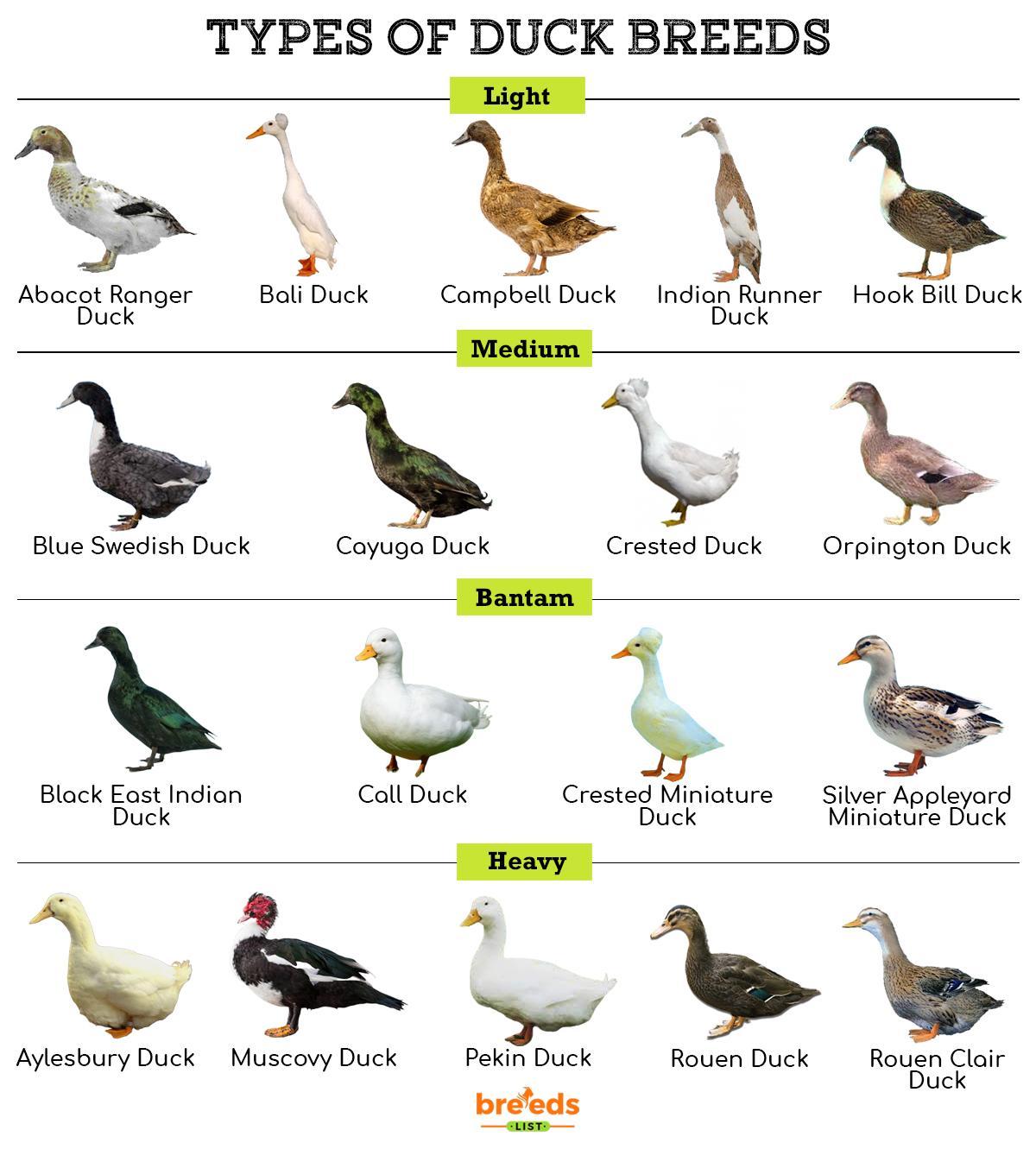
Mallards: Mallard ducks, one of the most common wild duck species, have an average lifespan of about 5 to 10 years in the wild. Wood Ducks: Wood ducks typically live for around 5 to 10 years in their natural habitats. Northern Pintails: Northern pintails are known to live for about 3 to 5 years in the wild.
Interesting Facts About How Ducks Mate Farmhouse Guide
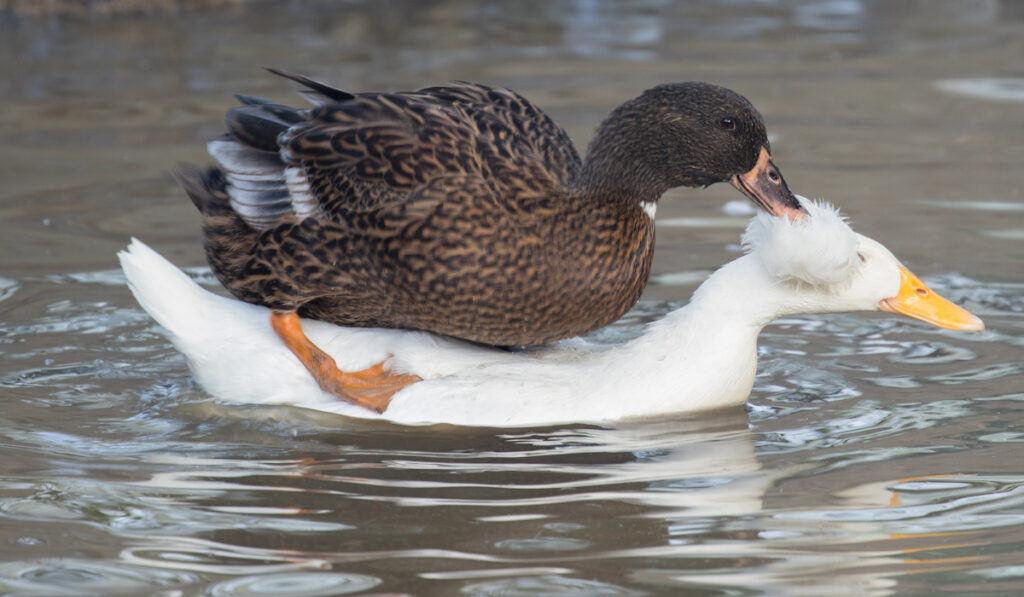
Mallard ducks in the wild have a lifespan of between five to 10 years. They can live as old as Pekins and Calls if properly cared for in a good homestead environment. Lifespan: Domestic Duck. The average life span of a domestic duck is 10 years or less. As a rule, the larger breeds of duck have the shortest life spans.
20 Ducks in Ohio Species & Seasons

Ducks can live up to 20 years with proper care and nutrition, with the average lifespan of a domesticated duck being around 10 years. Wild Mallard ducks typically live between 5 and 10 years in the wild, while Muscovy ducks can live up to 12 years in the wild. Factors that influence duck lifespans include diet, shelter, environment, and.
How Long Do Ducks Live? Average Lifespan, Data & Care Animal World
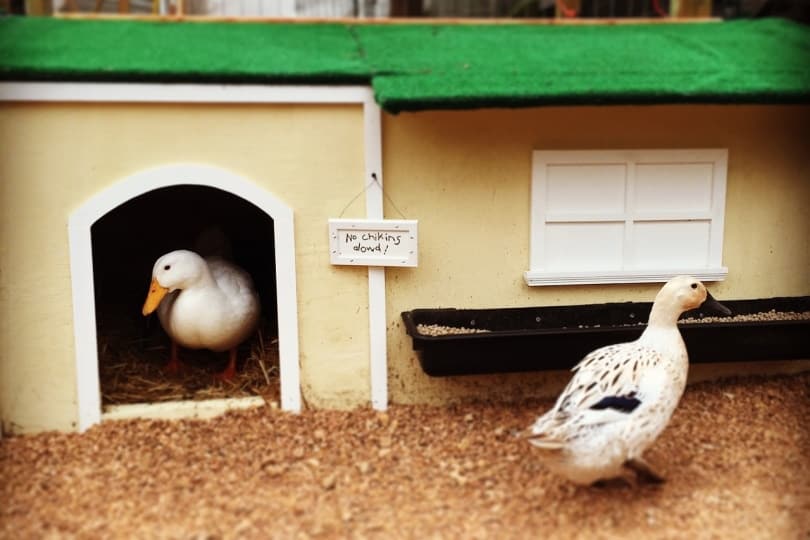
Domestic ducks have an average lifespan of 8 - 12 years, with some breeds having the potential to live for up to 15 years. The lifespan of a pet duck will depend on both its genetics and its environment. Wild ducks have a significantly shorter lifespan, often only 1-2 years, due to the threats that they face in their natural environment.
Lifespan of a Duck All in one facts, age records and more Duck life

Lifespan in ducks is influenced by genetics, care quality, and living conditions. Domestic ducks that are well-taken care of and protected from common dangers in the wild, such as hunting and severe weather, can live an average of 12 to 15 years. Good husbandry practices are proven to increase the lifespan of ducks.
Ducks Key Information, Facts & Pictures Of Ducks
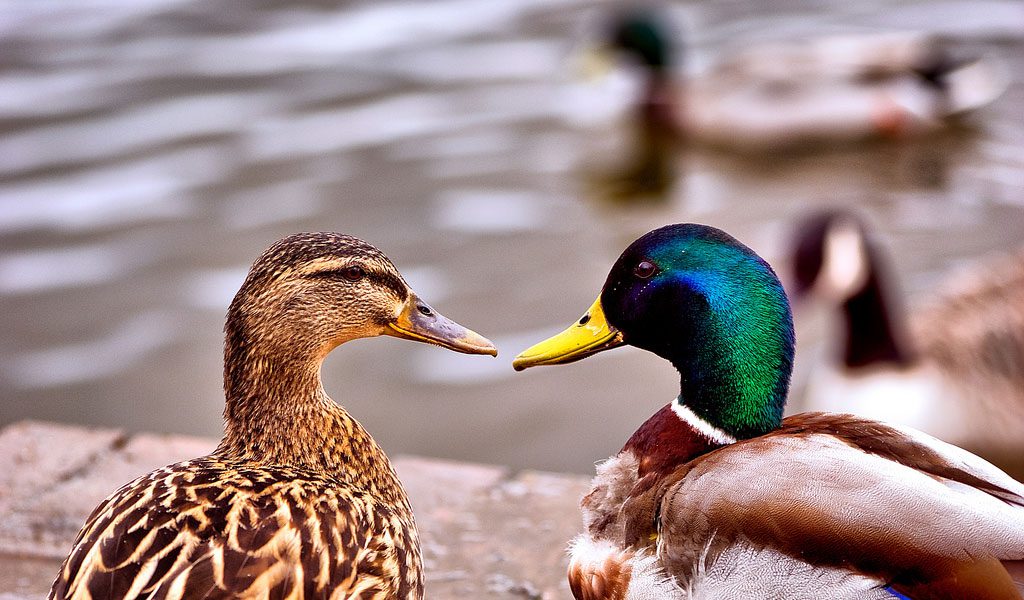
Bantam ducks live longer than most species, and on average, they can live for 10 to 12 years. According to the Guinness Book of World Records, the longest living ducks were a pair that lived to be 49 years old. The record is unlikely to be broken anytime soon, and a mallard is lucky to live up to 20 years.
Ducks life Images, Stock Photos & Vectors Shutterstock
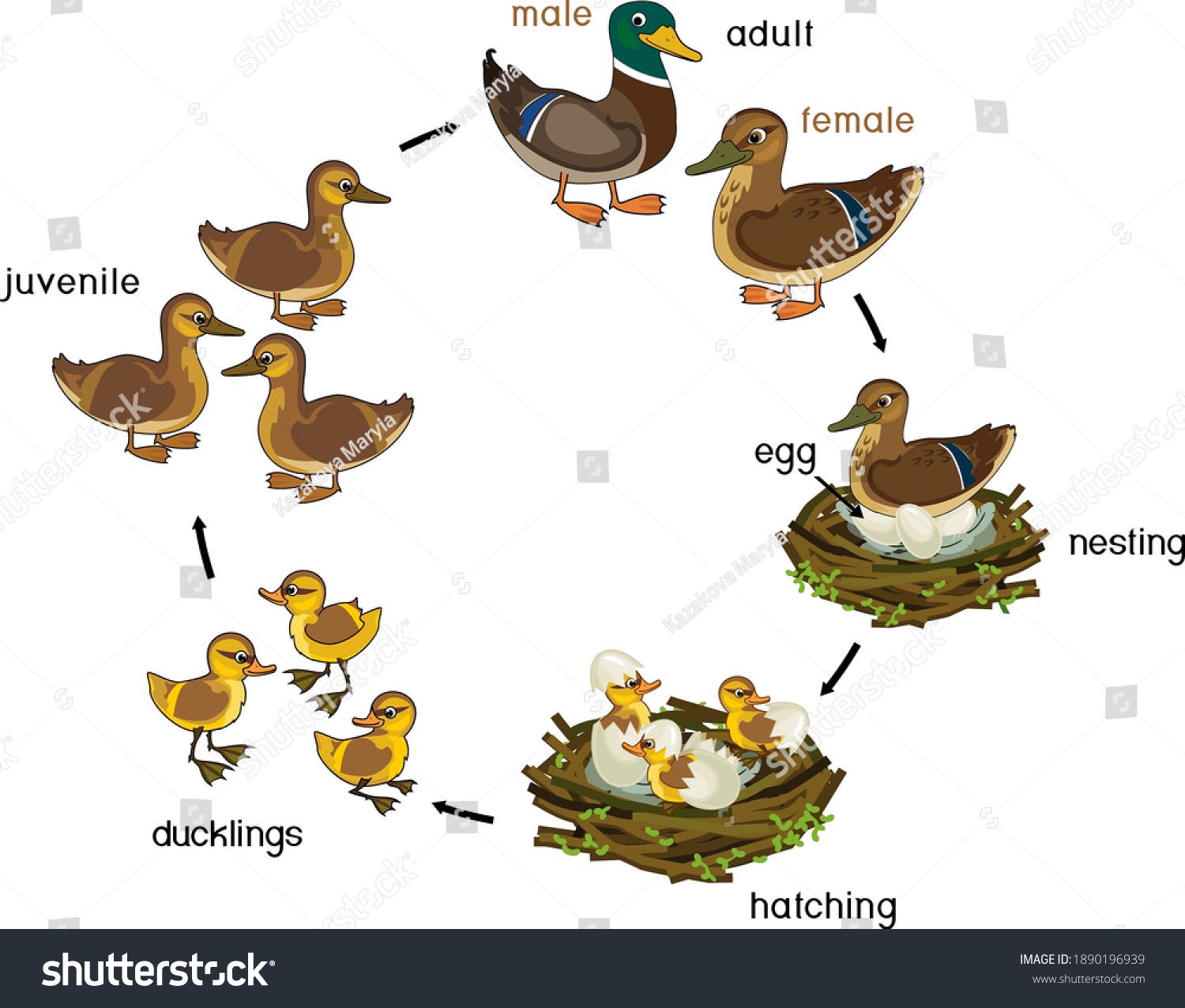
The average duck lifespan is 5 to 10 years old, though there are some reports of ducks living up to 20 years. Ducks are generally long-lived, and how long do ducks live is related to how well they are cared for. Many domesticated ducks can be expected to live 10 years or more. However, how long do ducks live is heavily influenced by how they.
Duck Breeds 14 Breeds YOU Could Own and Their Facts at a Glance
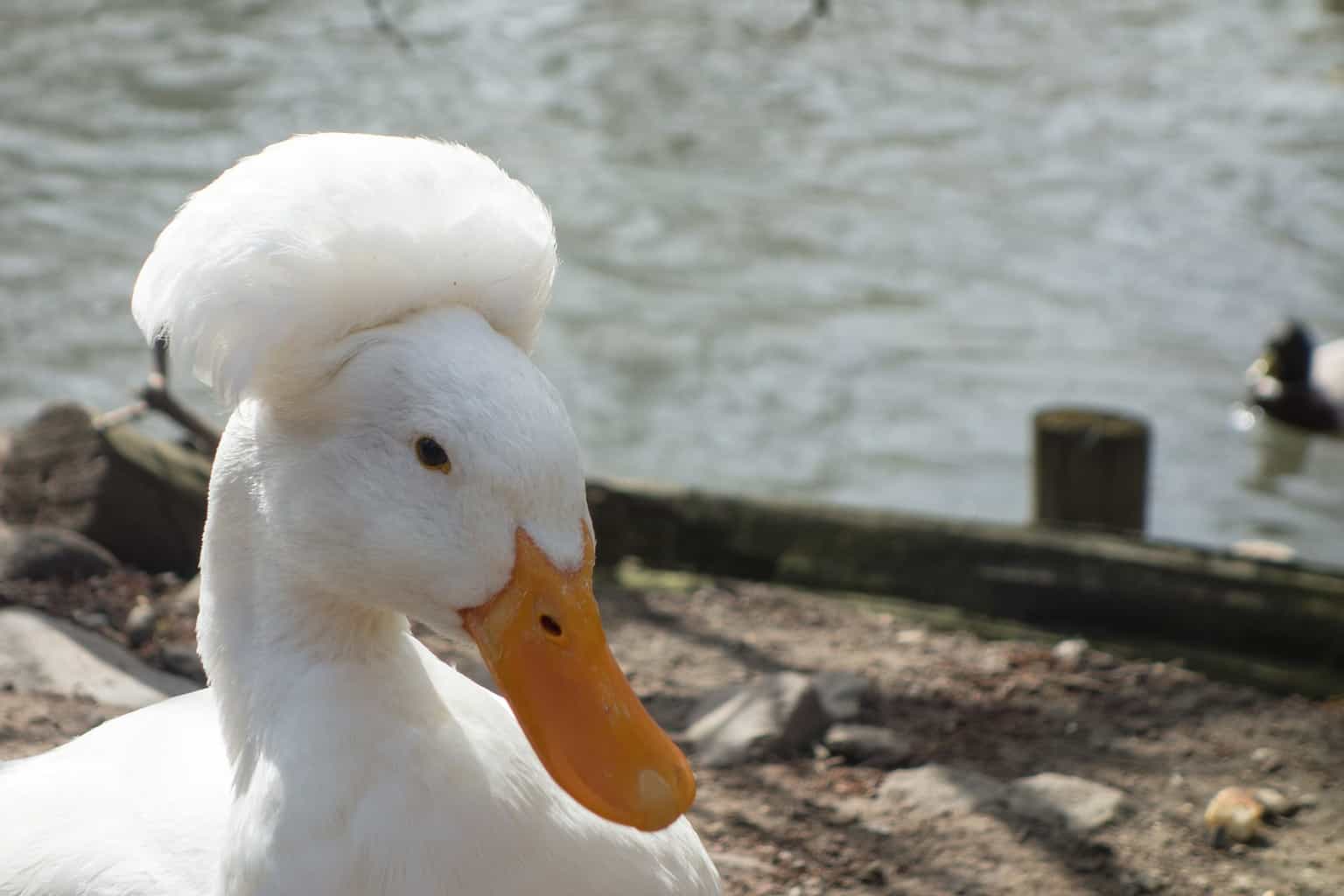
Mallard: 27 years 07 months. Black Duck: 26 years, 5 months. Blue-Winged Teal: 23 years, 3 months (banded in Saskatchewan and shot in Cuba) Redhead: 22 years, 7 months. Wood Duck: 22 years, 6 months. Northern Pintail: 22 years, 3 months. American Wigeon: 20 years 11 months. Ring-necked duck: 20 years 5 months.
Domestic Ducks Lifespan and Common Causes of Death Fowl Guide
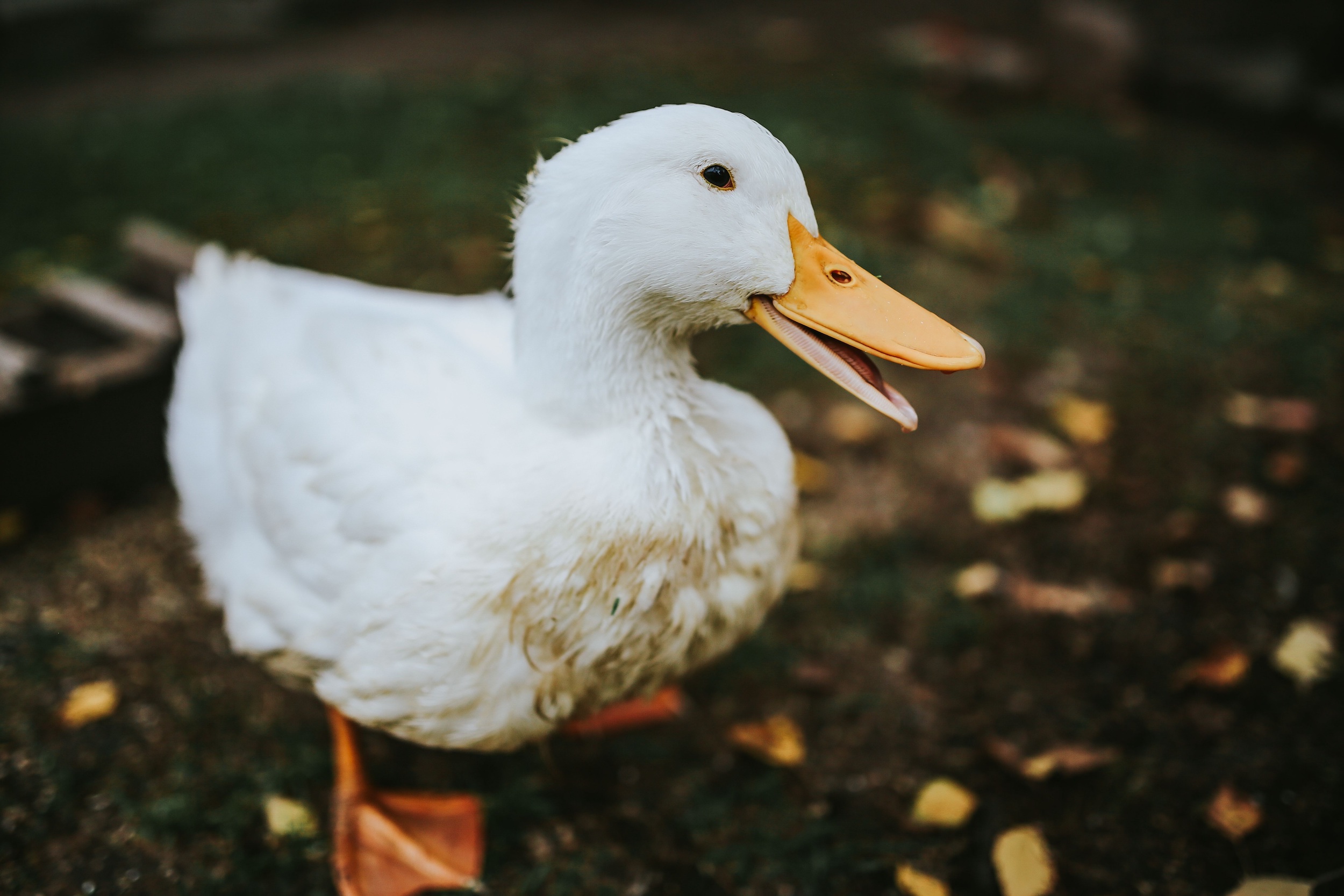
People do not usually notice the difference between a young adult duck and an older duck because of the not so obvious physical changes between them. Ducks do not live long as compared to the geese. The average lifespan of a domestic duck is 10 years or less, but some ducks have been recorded to have exceeded 10-15 years, some even 20-25 years.
Lifespan of a Duck All in one facts, age records and more Duck life

In the wild, ducks typically have a shorter lifespan, averaging between 2-4 years, due to factors such as predation, disease, and habitat loss. Domesticated ducks, on the other hand, often live longer, with an average lifespan of 8-12 years when properly cared for. Some domestic duck breeds, like the Pekin duck, may live up to 15 years or more.
Duck Lifespan How Long Do Ducks Live? AZ Animals
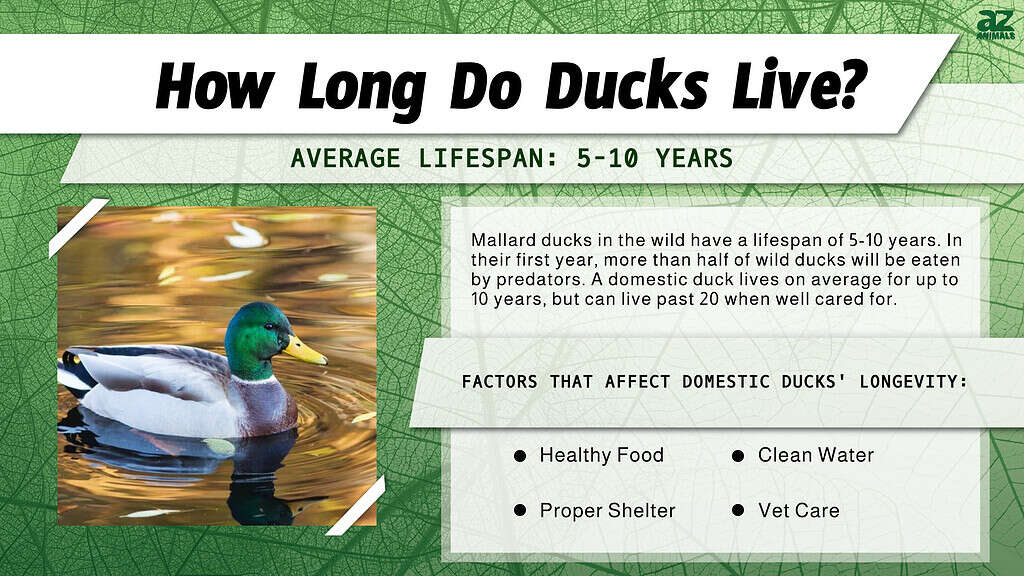
Average Lifespan: Wild vs. Domesticated Ducks. In the wild, the lifespan of ducks is typically between 5 and 10 years. In captivity, the outlook is more encouraging, with many domestically raised ducks living for up to 20 years or more. Wild ducks, and ducklings in particular, are relatively easy prey for many larger birds, and survival rates.
How Long Do Ducks Live? How To Extend Their Life. Life Is Just Ducky
In the wild, a Mallard duck has a lifespan of 5-10 years. The most common cause of death in wild Mallards is predators — especially for young ducklings. Weather, starvation, and other factors also take a toll. Eagles, raccoons, alligators, snakes, snapping turtles… there are countless predators of Mallard ducks in the wild.
How Long Do Ducks Live? Essential Duck Lifespan Guide Savvy Farm Life
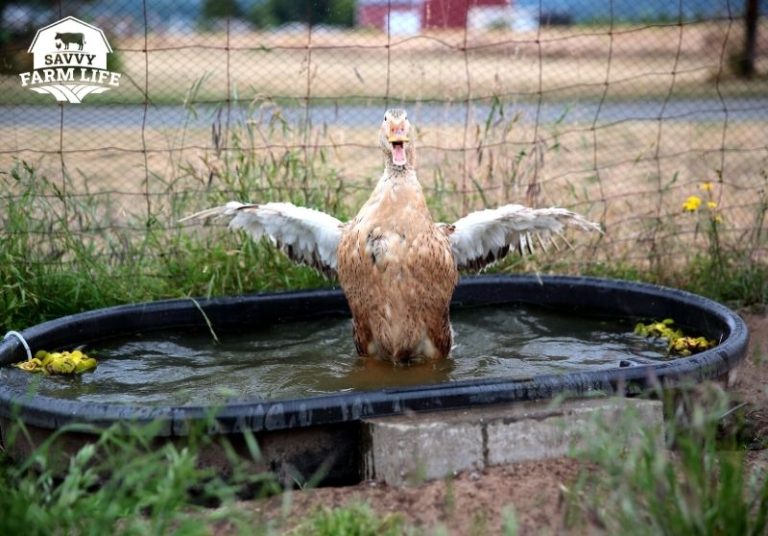
The average life span of a domestic duck is 10 years or less. As a general rule, the largest breeds of duck have the shortest life span. Seldom do they live beyond five to seven years of age. Muscovy. An exception is the Muscovy. This duck might reach a life span of between eight and 12 years of age, or more.
How Long Do Ducks Live? An Indepth Guide of Duck Lifespan Birdfact
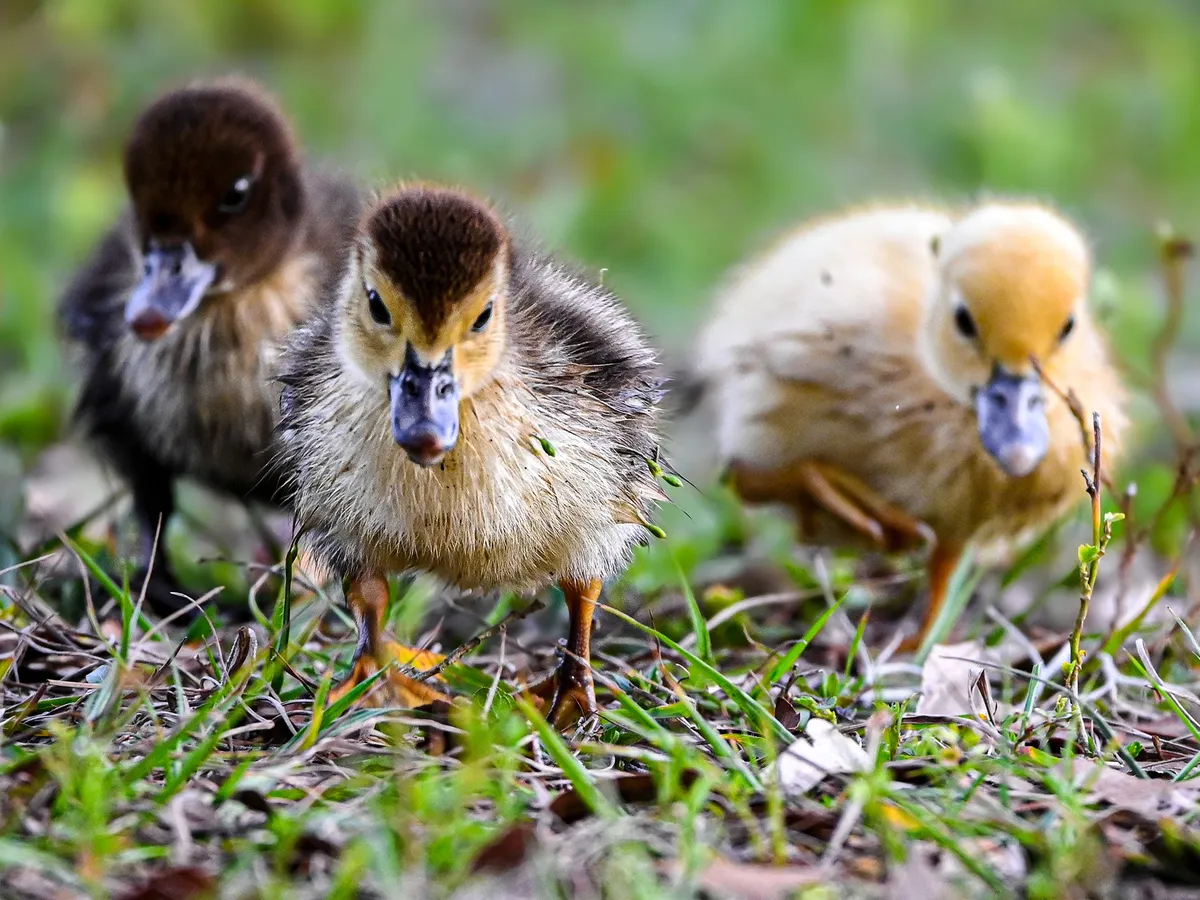
Indian Runner Duck (Anas platyrhynchos domesticus) Photo by Bjoern Clauss. Domesticated Indian runner ducks can live up to twelve years of age. Their average sits between eight to twelve years. In the wild, their lifespans are much shorter. An Indian runner duck has an average lifespan of 1 to 2 years in the wild.
Lifespan of a Duck All in one facts, age records and more iDuckn

The lifespan of ducks is complicated by several factors that determine their survival beyond the first month of life. Domestically raised ducks, provided with secure living conditions and a carefully monitored, nutritious diet, tend to outlive their wild counterparts. In the wild, challenges such as predation, limited food availability, disease.
.