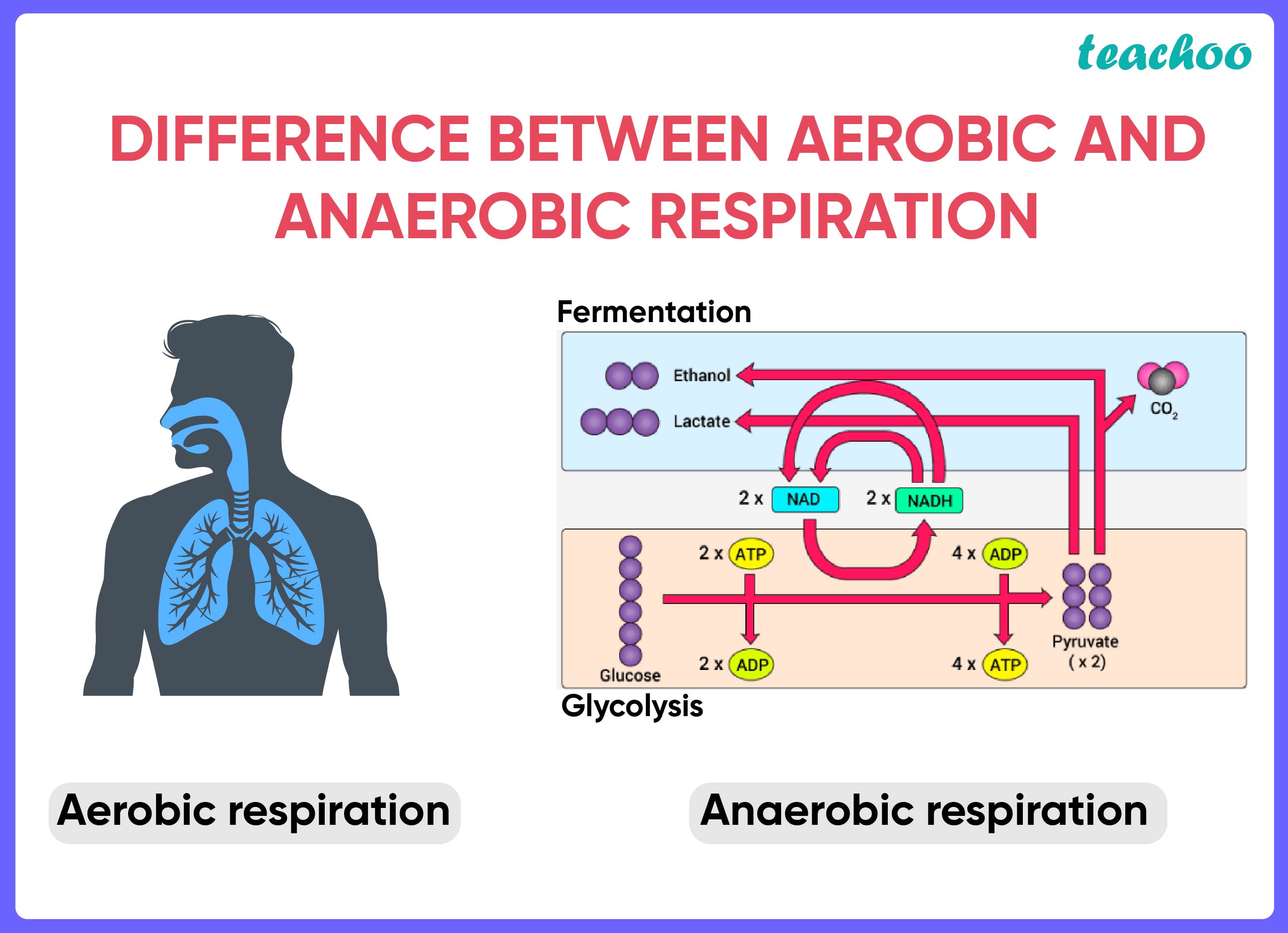
Difference between Aerobic and Anaerobic Respiration Aerobic vs Anaerobic Respiration
Aerobic respiration YouTube

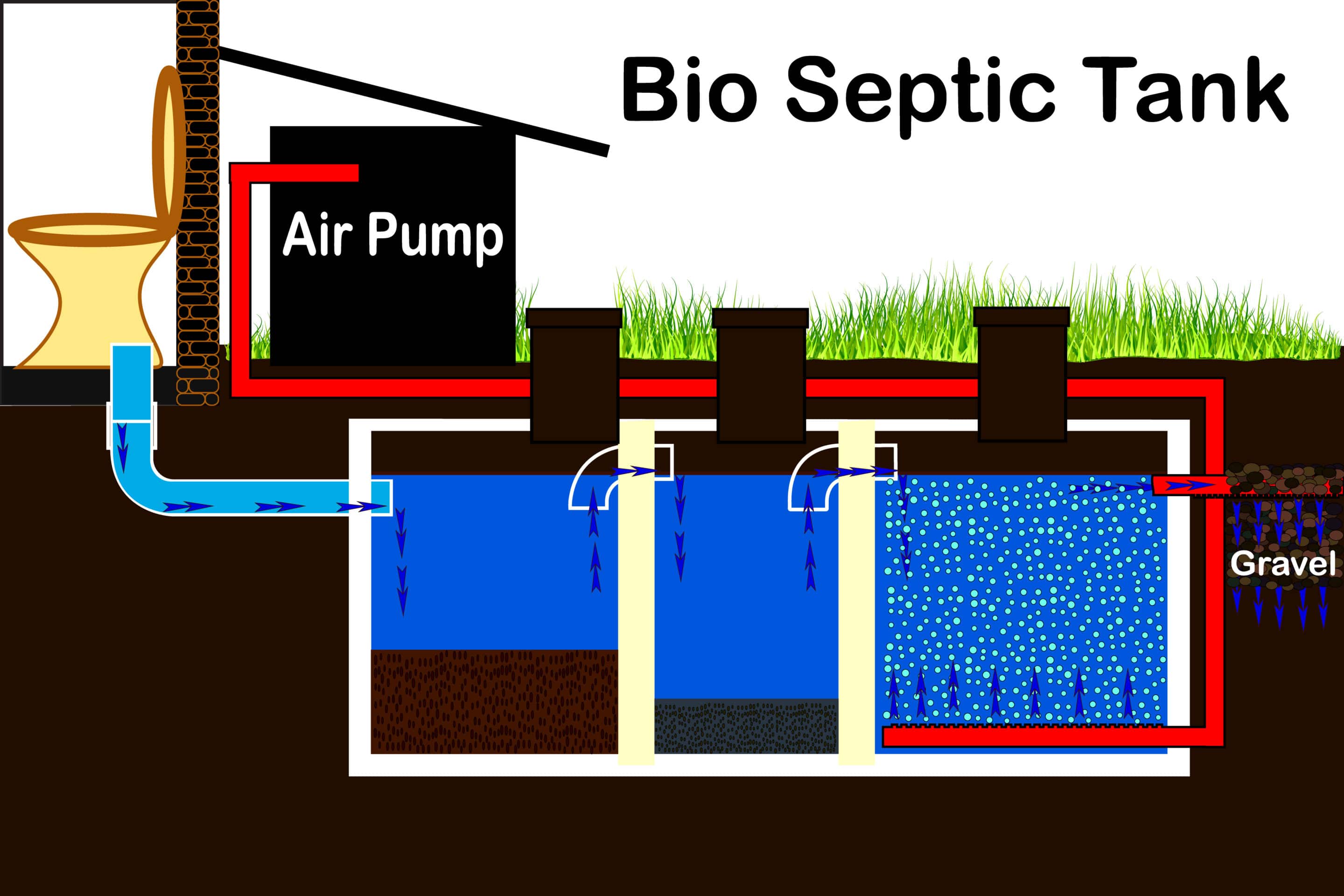
An aerobic septic system is a waste treatment system designed to quickly break down and purify organic matter more efficiently than anaerobic systems. While anaerobic systems rely on bacteria that thrive in oxygen-depleted environments for decomposition processes, aerobic systems employ oxygen-loving bacteria that accelerate decomposition for.
PPT ENERGY SYSTEMS PowerPoint Presentation, free download ID2234026

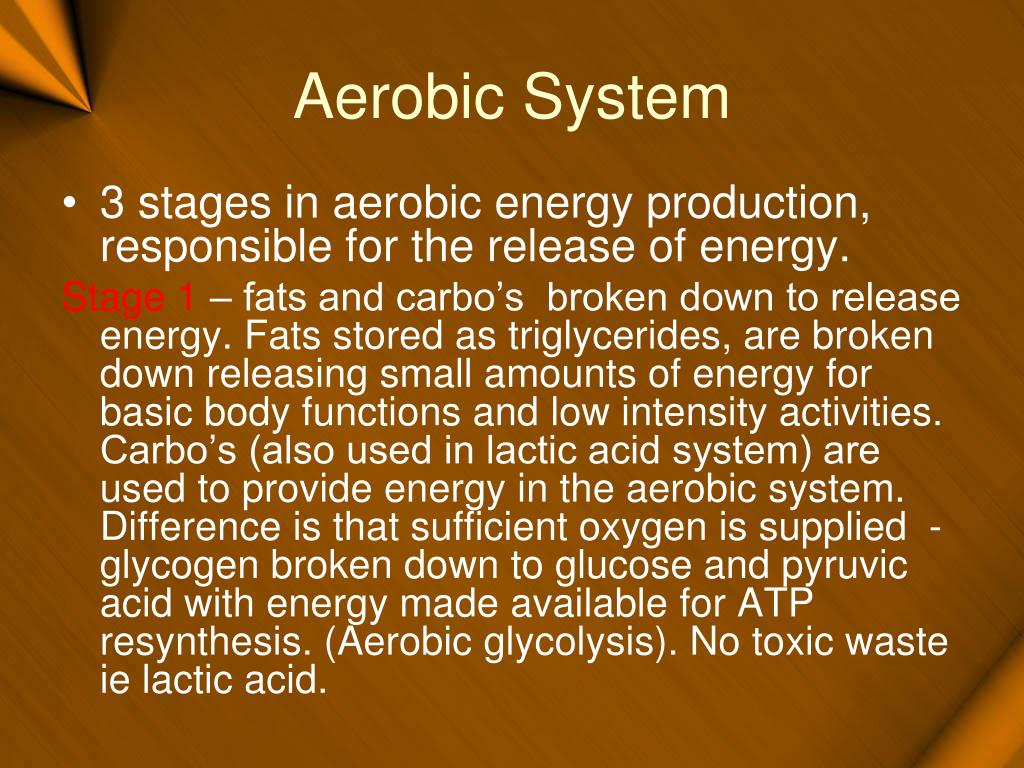
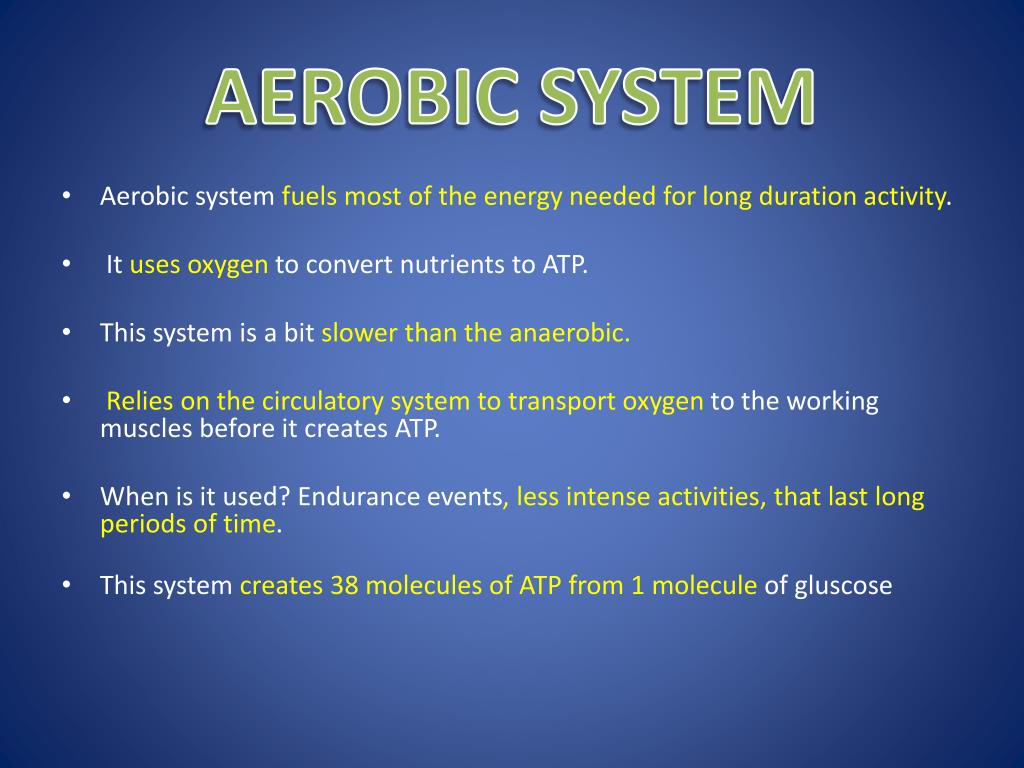
Source of Fuel - The aerobic system can use CHO, fats, and protein as its source of fuel, though protein is used sparingly. The aerobic system uses aerobic glycolysis, the Krebs cycle and the electron transport chain in its production of ATP. It is the presence of oxygen, which allows this energy system to use […]
What Are The Reactants In The Equation For Cellular Respiration? The correct equation of
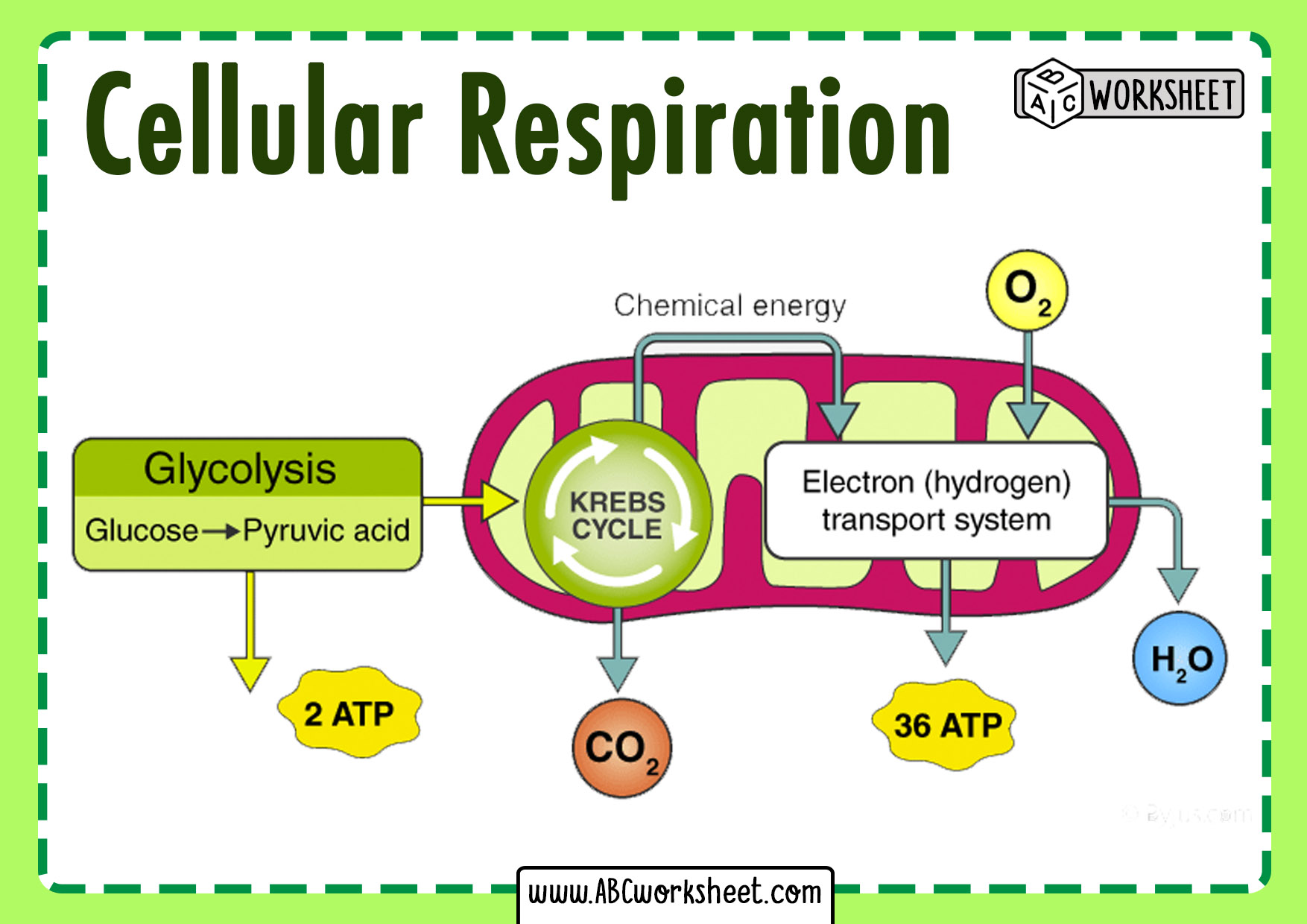
Cellular respiration is the process of breaking down glucose and other molecules to release energy for cellular work. In this article, you will learn the basics of cellular respiration, its stages, and its importance for life. You will also find interactive exercises and videos to help you master this topic. Khan Academy is a nonprofit organization that offers free, high-quality education for.
PPT Lesson 2. Aerobic energy system. PowerPoint Presentation, free download ID4181078
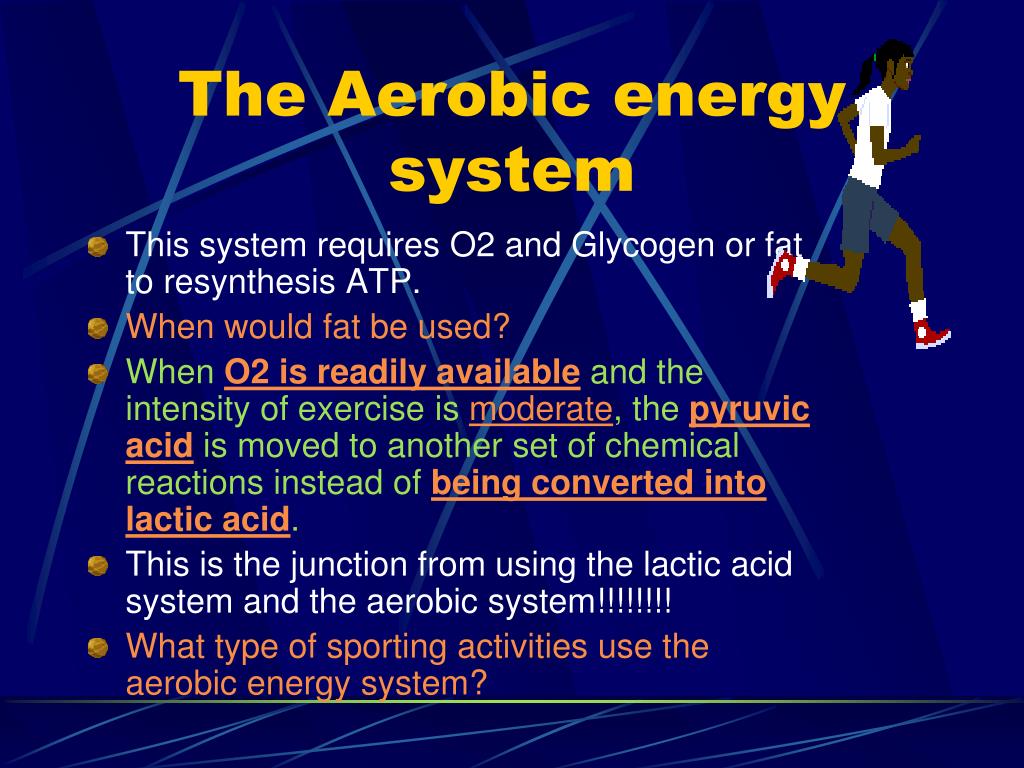
The 3 Tank Aerobic Septic System provides several advantages over conventional septic systems. The higher treatment efficiency results in cleaner effluent, reducing the environmental impact. The system also requires lower maintenance due to the continuous aeration and mixing, reducing the frequency of tank cleanings.
1 3 Aerobic & Anaerobic Energy YouTube

Aerobic exercise is a physical activity that uses your body's large muscle groups, is rhythmic and repetitive. It increases your heart rate and how much oxygen your body uses. Examples of aerobic exercises include walking, cycling and swimming. It reduces your risk of heart disease, diabetes, high blood pressure and high cholesterol.
Know Your Aerobic Training Zones

Aerobic means with the presence of oxygen. It's a lot more complicated than this, but in essence, think of the aerobic system as using oxygen as its primary fuel source. This energy system can extend out work for hours or sometimes days. An example of work that would be aerobic would be a 60-minute row, run, or swim.
Difference Between Aerobic and Anaerobic Respiration [in Table Form]
An aerobic treatment system (ATS), often called an aerobic septic system, is a small scale sewage treatment system similar to a septic tank system, but which uses an aerobic process for digestion rather than just the anaerobic process used in septic systems. These systems are commonly found in rural areas where public sewers are not available, and may be used for a single residence or for a.
PPT THE EFFECT OF EXERCISE ON THE BODY SYSTEMS PowerPoint Presentation ID9120161

How Does the Aerobic Energy System Work? The aerobic energy system utilizes oxygen to convert glucose, glycogen, and fat into ATP (adenosine triphosphate), which is the primary source of energy for the body. The process of aerobic energy production occurs in the mitochondria, which are the energy-producing organelles within cells..
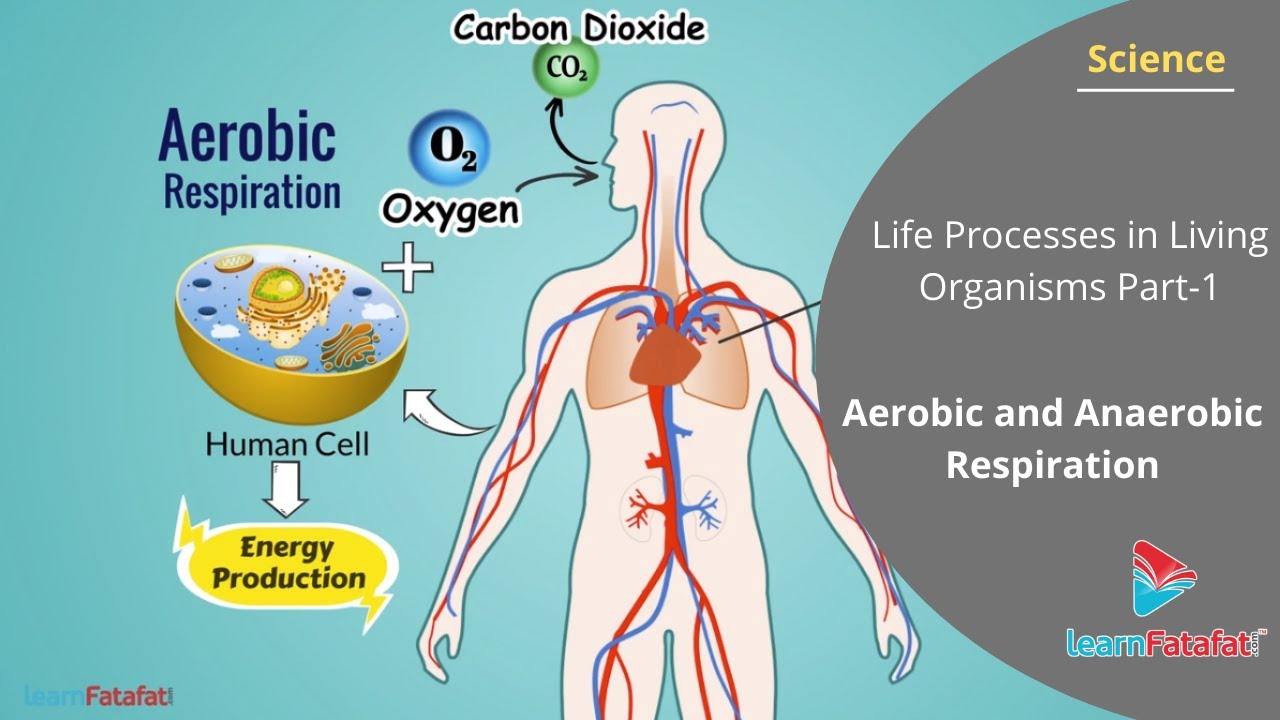
Aerobic and Anaerobic Respiration Life Processes in Living Organisms YouTube
Aerobic exercise includes walking, hiking, running, dancing, bicycling, and playing sports. This type of exercise helps to improve your heart and lung function, increase circulation, and decrease elevated levels of blood pressure, cholesterol, and inflammation. When beginning or increasing your aerobic exercise, start slow and gradually.
Difference between Aerobic and Anaerobic Respiration Aerobic vs Anaerobic Respiration
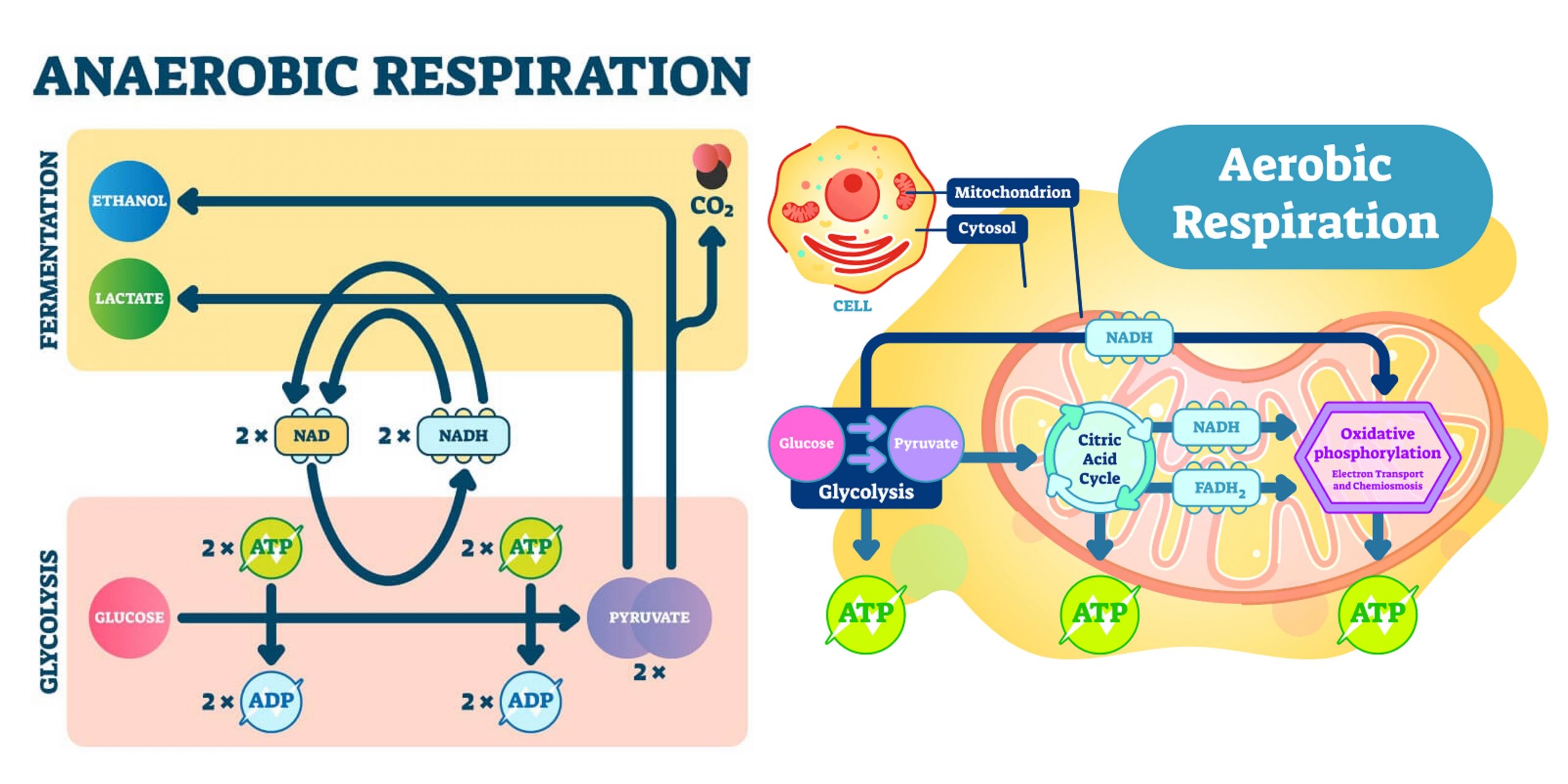
A 2003 study by Rob Duffield and Brian Dawson estimated that an athlete in a 100m race uses their aerobic system for between 20 and 25% of their energy needs. This compares with a 3000m race where athletes receive 86-94% of their energy from the aerobic system [ ref]. Generally speaking, the longer and slower you go, the more likely you are to.
What is Aerobic And Anaerobic Respiration? Definition, Difference
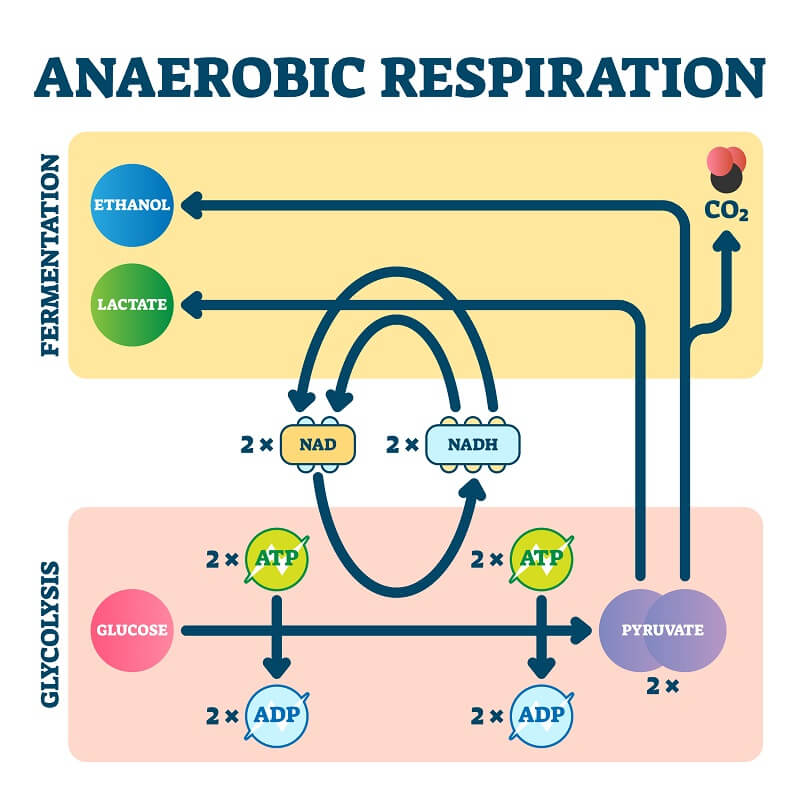
The human body uses molecules held in the fats, proteins, and carbohydrates we eat or drink as sources of energy to make ATP. This happens through a process called hydrolysis . After food is digested, it's synthesized into glucose, which is a form of sugar. Glucose is the main source of fuel that our cells' mitochondria use to convert caloric.
PPT Energy systems PowerPoint Presentation, free download ID5880072
And fourthly, aerobic training increases blood flow, capillary size, and oxygen delivery to your muscles. This process helps to boost the anaerobic threshold. Training at a high intensity will.
Aerobic system
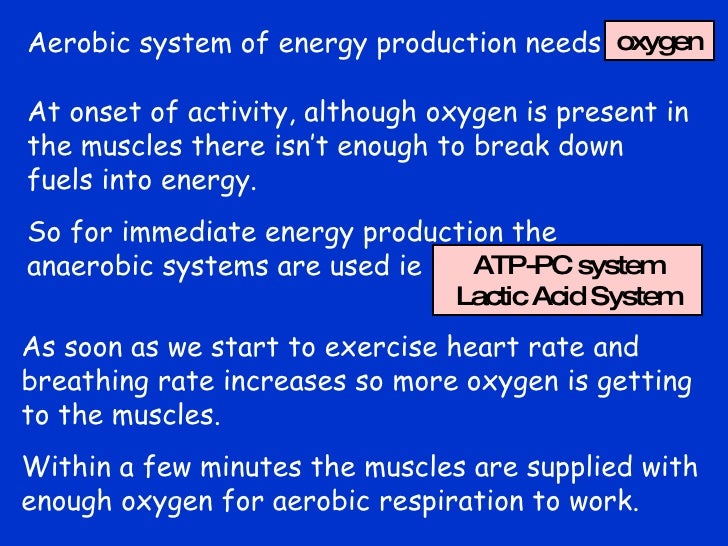
What is the Aerobic Energy System. The food you eat contains energy. For this energy to be usable by your body, it must be converted to ATP, or Adenosine Triphosphate. Often referred to as the "energy currency" of biology, this molecule allows cells to turn energy into work. The more ATP produced, the more energy is available.
diy septic system diagram Lorna Mcbee
One of the body's natural reactions to aerobic stimulation is an increase in oxygen-transporting enzymes, which carry oxygen out of the bloodstream and into the muscle. The adapted muscles have an easier time transporting and consuming oxygen molecules, providing the exerciser with improved endurance. Improving the aerobic system has numerous.
PPT ENERGY SYSTEMS PowerPoint Presentation, free download ID6098330
Aerobic systems are more complex than standard septic systems. There are many parts to the system, including electrical components, that work together to treat wastewater differently than standard systems do. The treatment process. First, the solids and liquids are separated in a trash tank.
Aerobic system
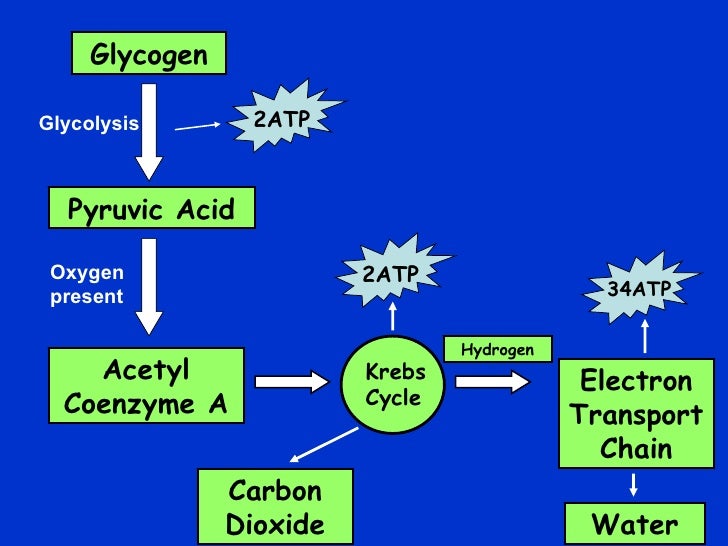
Aerobic respiration is the process by which organisms use oxygen to turn fuel, such as fats and sugars, into chemical energy. In contrast, anaerobic respiration does not use oxygen. Respiration is used by all cells to turn fuel into energy that can be used to power cellular processes. The product of respiration is a molecule called adenosine.
.