(PDF) PregnancyAssociated Plasma ProteinA Levels and Coronary Angiographic Features in Acute
859 Firsttrimester pregnancyassociated plasma protein and birth weight American Journal of

Objective To review the recent evidence behind the association of low levels (ie, below the fifth percentile) of pregnancy-associated plasma protein A (PAPP-A) with adverse perinatal outcomes and to integrate new findings with the recommendations made by the Society of Obstetricians and Gynaecologists of Canada in 2008. Quality of evidence A review of recently published articles revealed that.
PregnancyAssociated Plasma ProteinA (PAPPA) Purpose & Normal Range of Results 1mg
Preeclampsia (PE) is a hypertensive disorder in pregnancy associated with significant fetal and maternal complications. Antiphospholipid syndrome (APS) is an acquired form of thrombophilia characterized by recurrent venous or arterial thrombosis and obstetric complications that significantly increases morbidity and mortality rates. While preeclampsia may not be the most prevalent obstetric.
(PDF) Pregnancyassociated plasma proteinA and asthma

Introduction. Pregnancy-associated plasma protein-A (PAPP-A) largest of the pregnancy associated proteins produced by both the embryo and the placenta ( syncytiocytotrophoblasts) during pregnancy (Placenta Notes). This protein is thought to have several different functions, including preventing recognition of the fetus by the maternal immune.
Pregnancyassociated plasma protein A (PAPPA) expression mRNA levels in... Download Scientific

In the present study, we investigated whether circulating concentrations of two trophoblast-derived proteins in early pregnancy [pregnancy-associated plasma protein A (PAPP-A) and free β-subunit human CG (FβhCG)] might identify women at increased risk of subsequent adverse perinatal outcomes. Materials and Methods
(PDF) Messenger Ribonucleic Acid Levels of PregnancyAssociated Plasma ProteinA and the Proform

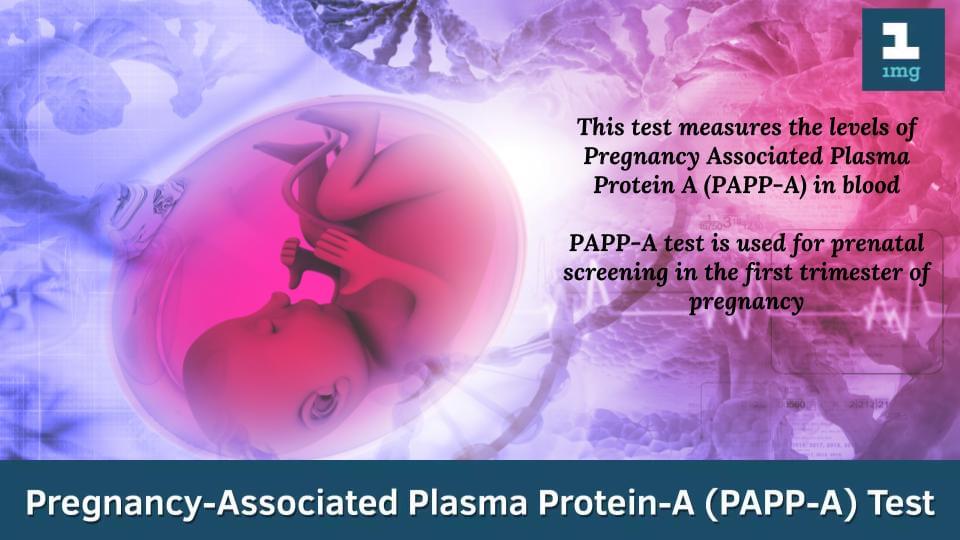
Pregnancy-associated plasma protein-A (PAPP-A) is highly efficient as a serum marker in first-trimester screening for chromosomal abnormalities. Furthermore, there is increasing evidence that low levels of PAPP-A in the first trimester are associated with adverse pregnancy outcomes such as preterm delivery, intrauterine growth retardation, preeclampsia, and stillbirth.
(PDF) Increased levels of pregnancyassociated plasma proteinA2 in the serum of preeclamptic

(PDF) Regulation of pregnancyassociated plasma protein A2 (PAPPA2) in a human placental

PAPP-A (Pregnancy associated plasma protein-A) is a protein produced by the placenta. It is needed for the implantation process and to maintain a healthy placenta (afterbirth). PAPP-A is a marker measured as part of the combined pregnancy screening blood test which is offered around 11-14 weeks of pregnancy. Why does PAPP-A matter in pregnancy?
Pregnancyassociated plasma protein A Medical Definition and Pronunciation YouTube

Pregnancy-associated plasma protein A, pappalysin 1, is a secreted metalloproteinase which cleaves insulin-like growth factor binding proteins (IGFBPs). Low plasma PAPP-A concentration is used as a marker in prenatal screening for Down's syndrome. PAPP-A also plays a role outside of pregnancy. PAPP-A KO mice.
Pregnancyassociated plasma proteinA (PAPPA) protein levels... Download Scientific Diagram

The aim of our study was to evaluate the association between first-trimester levels of pregnancy-associated plasma protein A (PAPP-A), obtained during aneuploidy screening, and perinatal complications.. Low serum PAPP-A levels (<0.45 MOM) were associated with higher rates of maternal chronic hypertension (6.8% vs 2.1%, P = .028),.
(PDF) Impact of High Levels of Pregnancy Associated Plasma ProteinA on Pregnancy

Low levels of pregnancy associated plasma protein-A (PAPP-A) have been previously shown to be associated with pregnancies that subsequently develop pre-eclampsia. The objective of this study was to establish the relative risk for pre-eclampsia at various PAPP-A levels as an aid to counselling and follow up of pregnancies. Methods
Diagrammatic representation of pregnancyassociated plasma proteinA... Download Scientific

Pregnancy associated plasma protein A (PAPP-A) is an emerging marker which has been described as a marker of plaque instability. PAPP-A is a large metalloproteinase involved in insulin-like growth factor signaling and has been shown to be involved in pathological processes like atherosclerosis.
(PDF) Serum pregnancyAssociated plasma protein A levels in the first, second and third

Pregnancy-associated plasma protein-A is a novel zinc metalloproteinase expressed in many circumstances beyond pregnancy, and has recently been implicated in cardiovascular diseases. 2-4 Patients with ACS have elevated circulating PAPP-A levels, 2 which allows risk stratification and risk prediction of future adverse cardiovascular events in ACS patients. 2-4,21,22 The mechanisms.
Pregnancyassociated plasma protein A2 (PAPPA2) mRNA and protein levels... Download Scientific

Abstract. Pregnancy-associated plasma protein-A (PAPP-A) was first identified in the early 1970s as a placental protein of unknown function, present at high concentrations in the circulation of pregnant women. In the mid-to-late 1990s, PAPP-A was discovered to be a metzincin metalloproteinase, expressed by many nonplacental cells, that.
(PDF) Role of pregnancyassociated plasma protein A (PAPPA) and humanderived chorionic

Pregnancy-associated plasma protein A (PAPP-A) is a peptidase produced by syncitiotrophoblast with hydrolytic activity for insulin-like growth factor-binding proteins [120,121]. These regulate insulin growth factors known to be important for implantation, for trophoblast invasion of maternal decidua, and for placental growth [122] .
Associations of pregnancyassociated plasma proteinA level with essential hypertension and

Pregnancy-Associated Plasma Protein-A Levels Are Related to Glycemic Control but Not to Lipid Profile or Hemostatic Parameters in Type 2 Diabetes. Diabetes Care. 30, 3083-3085 (2007).
(PDF) Maternal serum pregnancyassociated plasma proteinA levels in hyperemesis gravidarum A

INTRODUCTION. Maternal serum levels of pregnancy-associated plasma protein-A (PAPP-A) in the first trimester of pregnancy are decreased in pregnancies with fetal trisomies 21, 18 or 13 and in those with impaired placentation resulting in pre-eclampsia (PE) and delivery of small-for-gestational-age (SGA) neonates 1-5.There is also some evidence that serum PAPP-A is reduced in the second.
.