THE RESPIRATORY SYSTEM Resources that may be used
Pulmonary Surfactant Mainly consisting of phospholipids, pulmonary surfactant is responsible
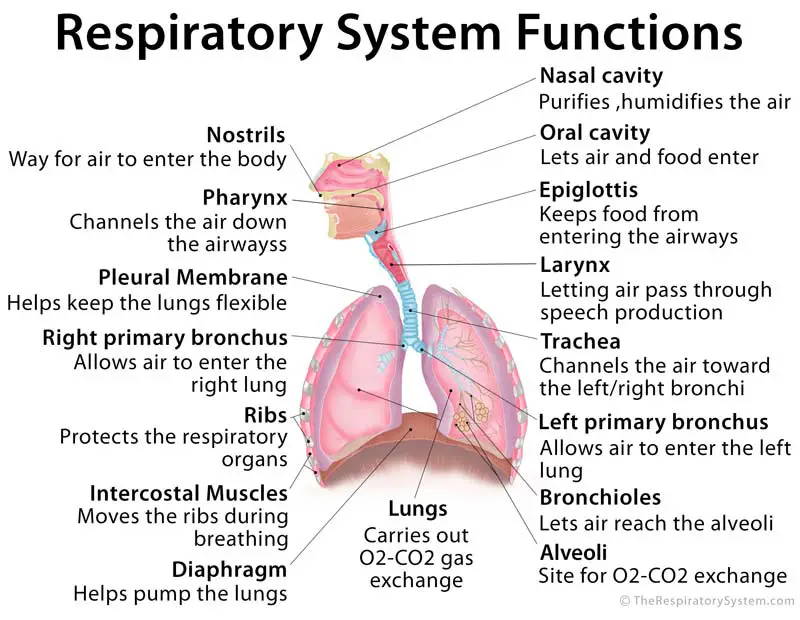
Respiratory conditions. Summary. The respiratory system allows air to reach the lungs, from which oxygen enters the blood and circulates to all body cells. This system also removes waste gases.
Overview of the Respiratory System Function and Structure Thoracic Key

The organs of the respiratory system form a continuous system of passages called the respiratory tract, through which air flows into and out of the body. The respiratory tract has two major divisions: the upper respiratory tract and the lower respiratory tract. The organs in each division are shown in Figure 16.2.2 16.2.
Original file (SVG file, nominally 800 × 900 pixels, file size 330 KB)

The respiratory tract conveys air from the mouth and nose to the lungs, where oxygen and carbon dioxide are exchanged between the alveoli and the capillaries. Sagittal view of the human nasal cavity. The human gas-exchanging organ, the lung, is located in the thorax, where its delicate tissues are protected by the bony and muscular thoracic cage.
Human Respiratory System Diagram, Parts and Functions
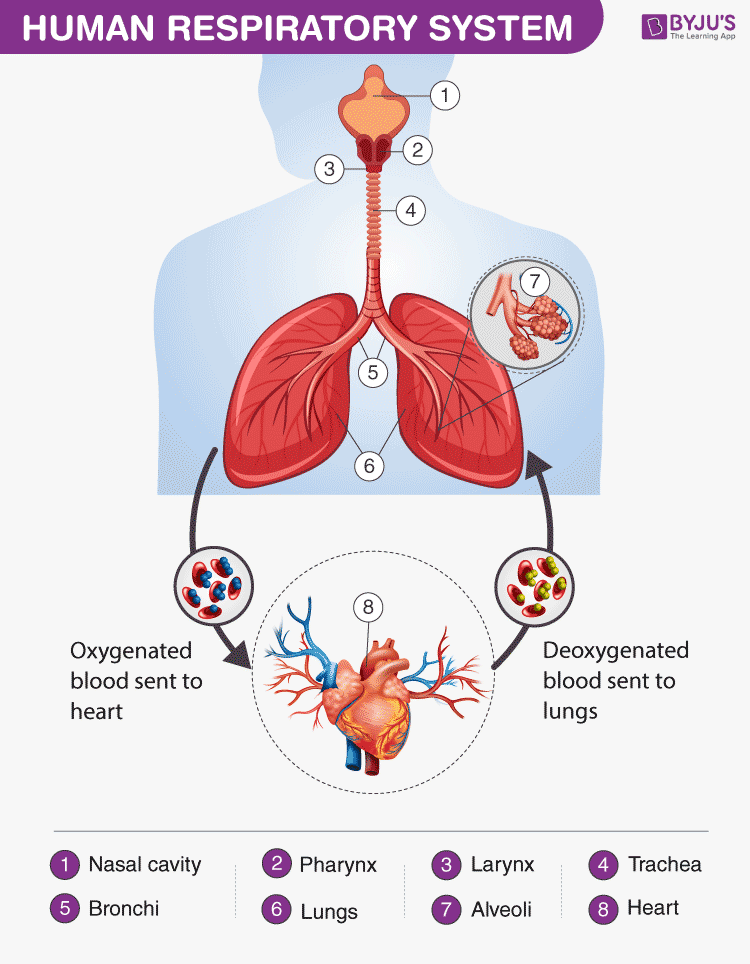
The Respiratory System (Label Diagram) Matching Quiz. Match each pair by dragging from rifgt to left. When complete choose the Check button. Check.
Human Respiratory System 7 Download Scientific Diagram

The major organs in the respiratory system are labeled. [Return to Figure 11.1]. Figure 11.2 image description: This figure shows a cross section view of the nose and throat. The major parts are labeled.. Diagram of the lungs with the major parts labeled (from top, clockwise): trachea, superior lobe, main bronchus, lobar bronchus,.
Gross Anatomy Glossary Respiratory System Anatomy (Overview) Draw It to Know It

The cells of the human body require a constant stream of oxygen to stay alive. The respiratory system provides oxygen to the body's cells while removing carbon dioxide, a waste product that can be lethal if allowed to accumulate. There are 3 major parts of the respiratory system: the airway, the lungs, and the muscles of respiration.
System Label Respiration System To Label Human Anatomy Library Respiratory system anatomy

The respiratory system helps in breathing (also known as pulmonary ventilation.) The air inhaled through the nose moves through the pharynx, larynx, trachea and into the lungs. The air is exhaled back through the same pathway. Changes in the volume and pressure in the lungs aid in pulmonary ventilation.
Standard Note Human Respiratory System
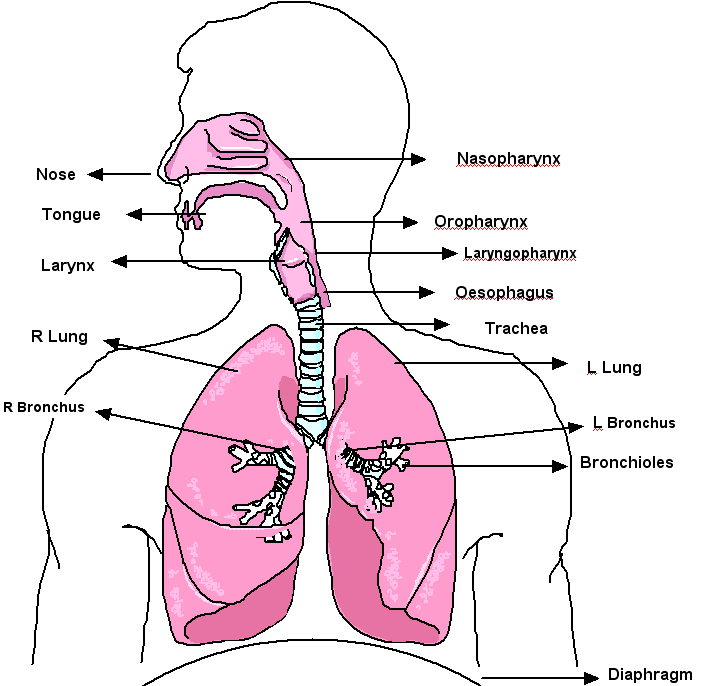
The upper respiratory system, or upper respiratory tract, consists of the nose and nasal cavity, the pharynx, and the larynx. These structures allow us to breathe and speak. They warm and clean the air we inhale: mucous membranes lining upper respiratory structures trap some foreign particles, including smoke and other pollutants, before the.
How to draw diagram of human Respiratory system easily step by step YouTube
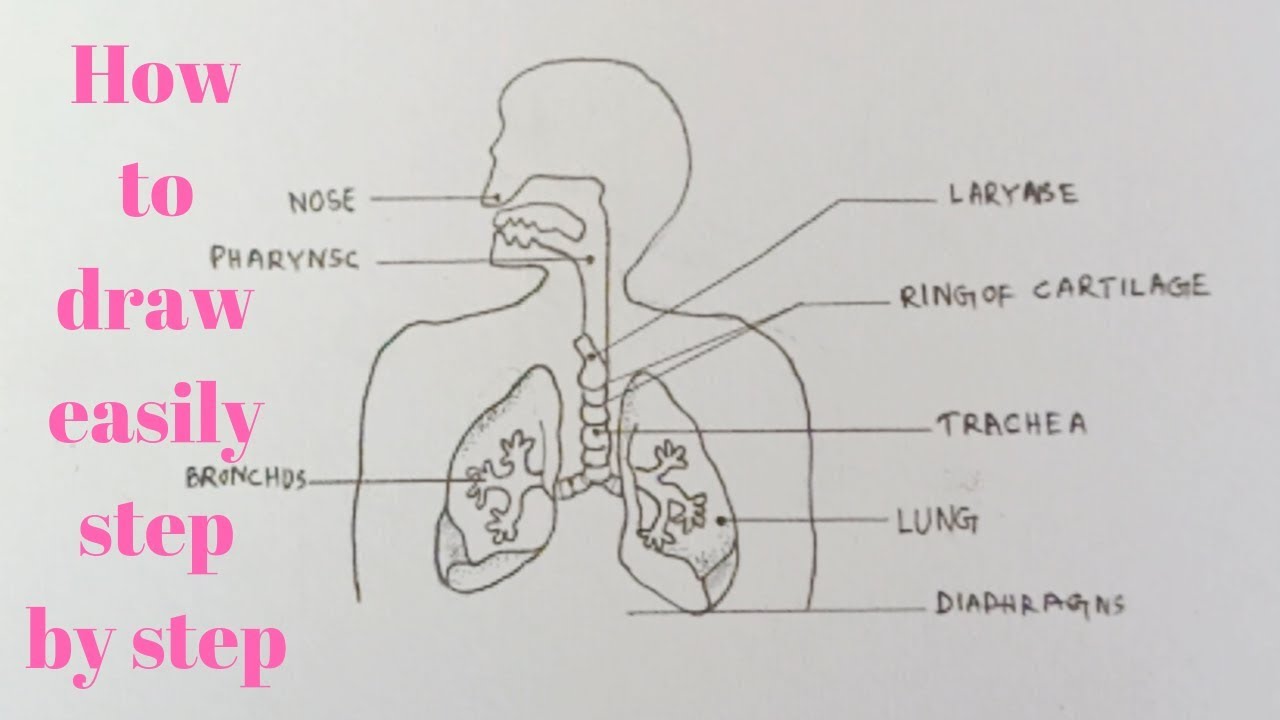
The respiratory system, also called the pulmonary system, consists of several organs that function as a whole to oxygenate the body through the process of respiration (breathing). This process involves inhaling air and conducting it to the lungs where gas exchange occurs, in which oxygen is extracted from the air, and carbon dioxide expelled.
Respiratory System Function & Organs Respiratory System Diagram

Diagram labeling the major structures of the respiratory system. Image credit: Arteries and veins of the body by OpenStax, CC BY 4.0. An important structure of respiration is the diaphragm. When the diaphragm contracts, it flattens and the lungs expand, drawing air into the lungs.. The respiratory system works directly with the circulatory.
Respiratory System With Label Drawing at GetDrawings Free download

Respiratory System. Your respiratory system is made up of your lungs, airways (trachea, bronchi and bronchioles), diaphragm, voice box, throat, nose and mouth. Its main function is to breathe in oxygen and breathe out carbon dioxide. It also helps protect you from harmful particles and germs and allows you to smell and speak.
Respiratory Physiology An Introduction Owlcation
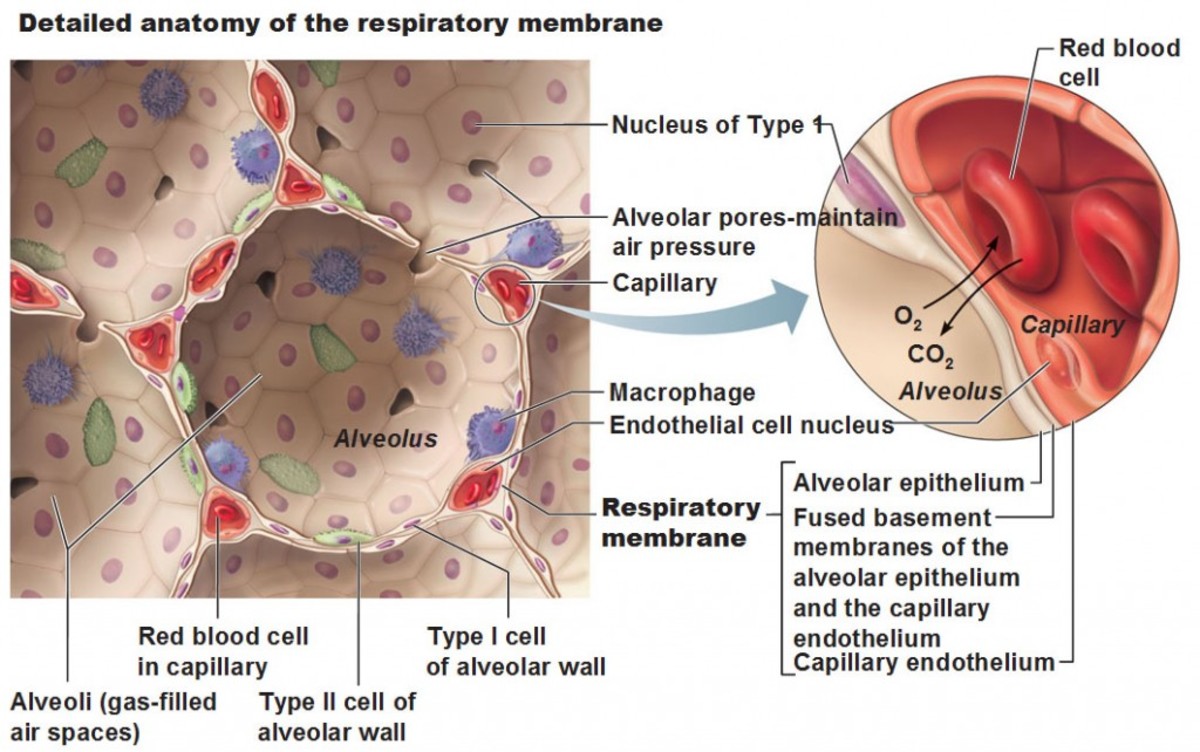
The respiratory system aids the body in the exchange of gases between the air and blood, and between the blood and the body's billions of cells. It includes air passages, pulmonary vessels, the.
Respiratory System Diagram With Labels
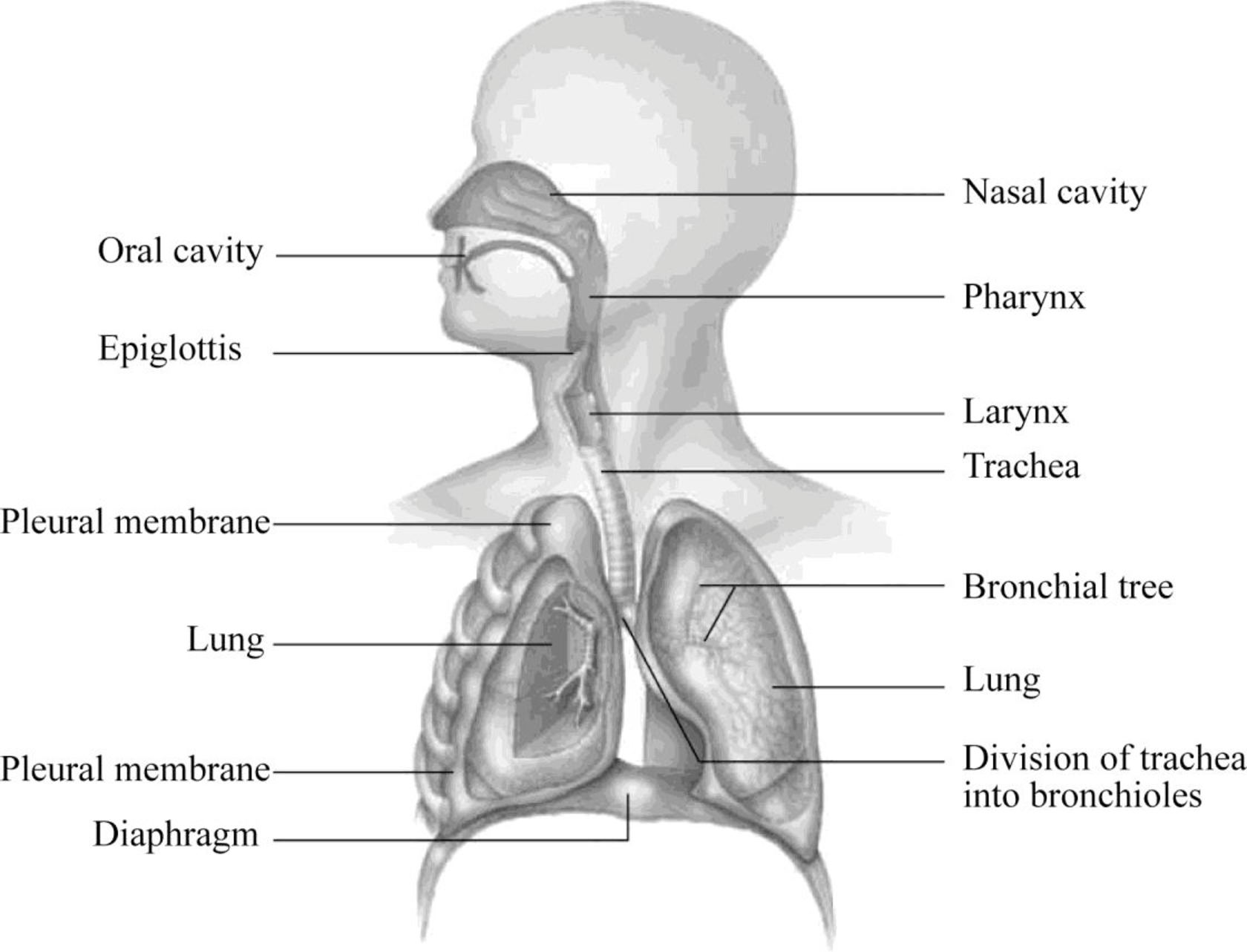
The lungs are the main part of your respiratory system. Here is how lungs work as the center of your breathing, the path a full breath takes in your body, and a 3-D model of lung anatomy.
Label the structures of the Respiratory System
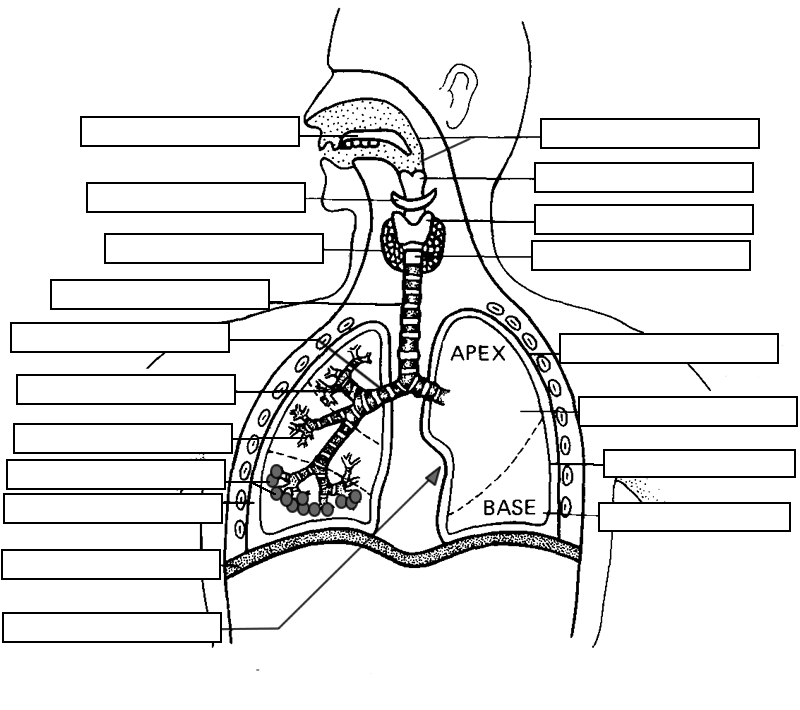
With a labeled diagram, you can see all of the main structures of an organ system together on one page - great for helping you to memorise the appearance of several structures and their relations. Unlabeled diagrams can then help you to put your memory to the test. Below, you'll find the respiratory system labeled and unlabeled on two.
Respiratory system HSC PDHPE
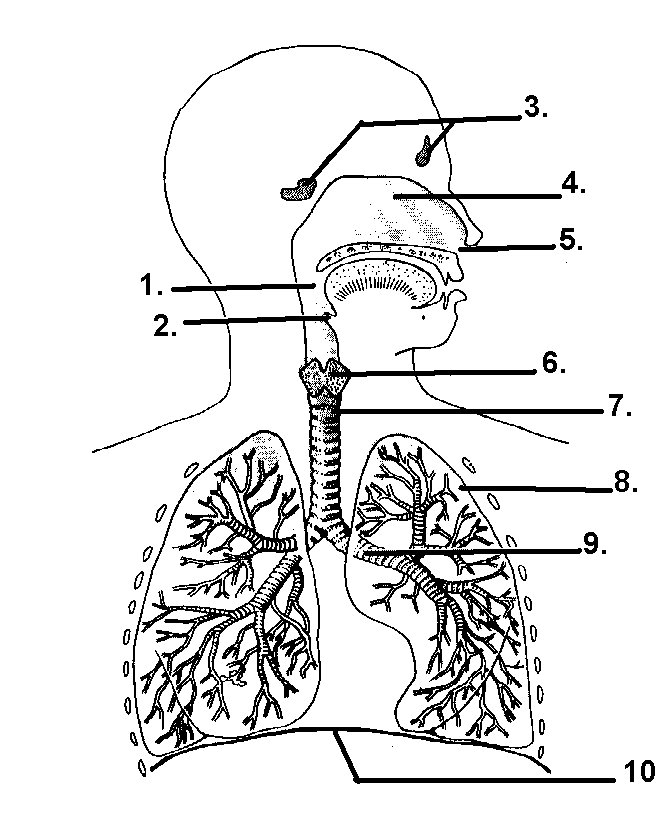
Portions of the respiratory system are also used for non-vital functions, such as sensing odors, speech production, and for straining, such as during childbirth or coughing (Figure 22.2). Figure 22.2 Major Respiratory Structures The major respiratory structures span the nasal cavity to the diaphragm.
Diagram of the respiratory system Human respiratory system, Biology diagrams, Respiratory system

The nasal epithelium (Figure 20.6.1 20.6. 1 is lined with ciliated pseudostratified epithelial with goblet cells and this makes up the mucosal layer. Deep to this layer will be numerous bipolar cell nuclei. You will also find Bowman's (olfactory) glands that secrete mucus to help lubricate the mucosal layer and to dissolve odorants.
.